

Dancehall’s Worldwide Impact on Music
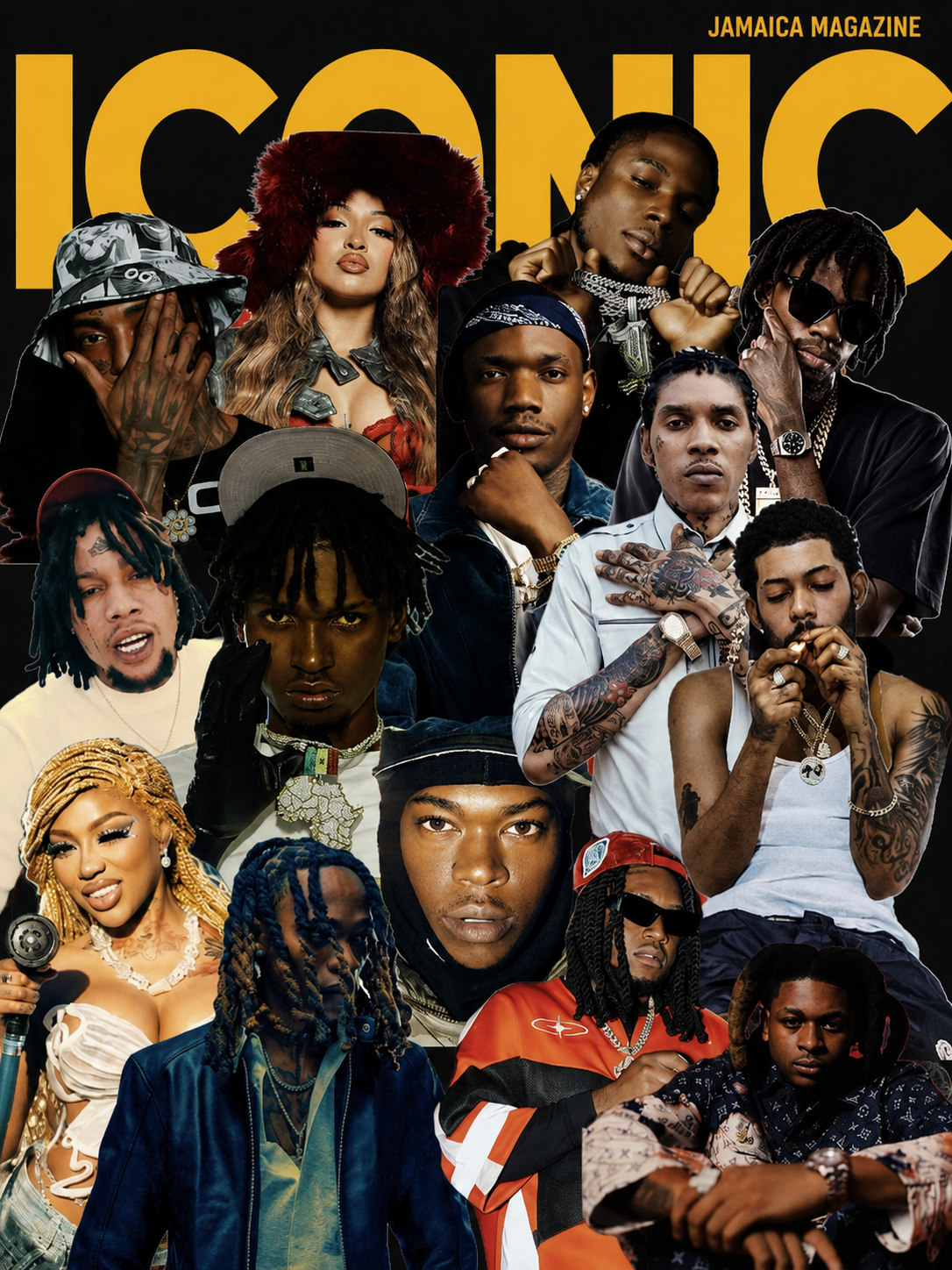
From the streets of Kingston to clubs, festivals, and playlists around the world, dancehall music has become one of Jamaica’s most influential cultural exports. Known for its infectious rhythms, energetic style, and fearless creativity, dancehall has shaped global music trends for decades while continuing to evolve across generations.
What began as a powerful expression of Jamaican street culture has now become a worldwide musical movement influencing artists across hip-hop, Afrobeats, Latin music, pop, electronic music, and global urban culture.
Today, dancehall’s sound, language, fashion, and energy can be found far beyond the Caribbean.
The Birth of a Global Sound
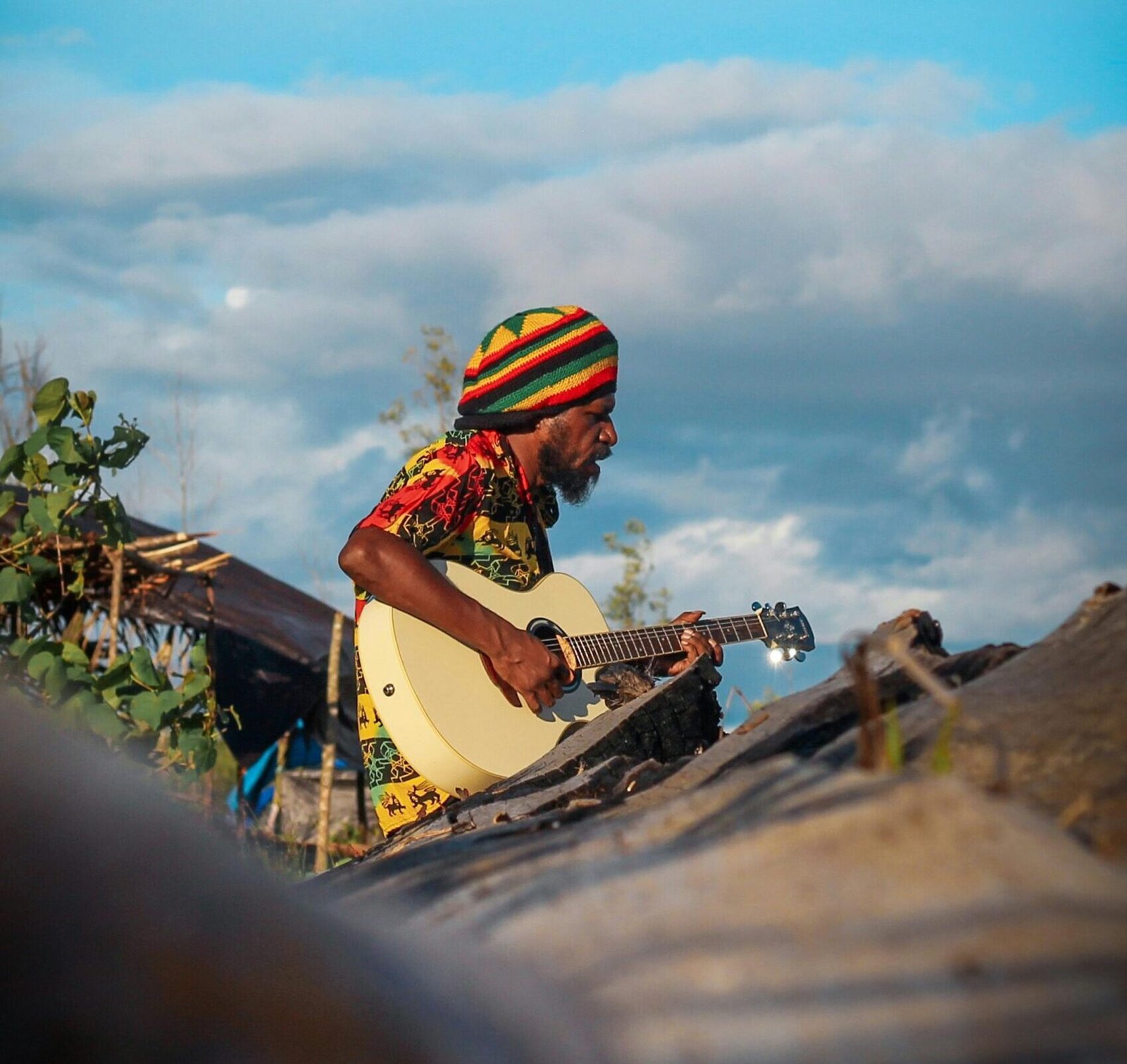
Dancehall emerged in Jamaica during the late 1970s and early 1980s as a new evolution of reggae music. Faster rhythms, digital production, sound system culture, and lyrical creativity helped define a fresh musical identity that reflected the realities, energy, and spirit of Jamaican communities.
As sound systems and mixtapes spread internationally, dancehall quickly gained popularity among Caribbean diaspora communities in cities like London, Toronto, New York, and Miami. From there, the genre continued expanding into mainstream global music culture.
Influencing Modern Music Genres
Dancehall’s influence can now be heard in some of the world’s biggest music genres. International artists frequently incorporate:
- Jamaican rhythms
- Dancehall-inspired flows
- Caribbean melodies
- Patwa expressions
- Island-style production
into mainstream music.
From global pop hits to Afrobeats collaborations and hip-hop records, dancehall continues shaping the sound of modern music worldwide.
Many international producers and artists openly credit Jamaican culture and dancehall as major creative inspirations behind today’s global music trends.
Fashion, Dance & Lifestyle Influence
Dancehall culture extends far beyond music. The genre has influenced:
- Street fashion
- Dance culture
- Slang
- Visual aesthetics
- Social media trends
- Caribbean nightlife worldwide
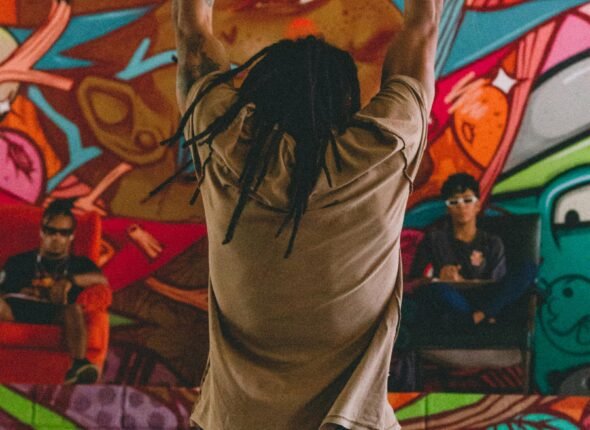
Dancehall dancers, selectors, DJs, and fashion creators have helped turn Jamaican street culture into an internationally recognized lifestyle movement.
The confidence, originality, and energy of dancehall continue inspiring youth culture across multiple continents.
The Power of Sound System Culture
At the heart of dancehall’s global growth is Jamaica’s legendary sound system culture. Sound systems created spaces where DJs, selectors, artists, and communities connected through music, competition, and creativity.
This culture helped shape modern DJ culture, remix culture, and live music entertainment around the world.
Today, sound system influence can still be seen in festivals, club scenes, and music communities internationally.
A New Generation of Dancehall
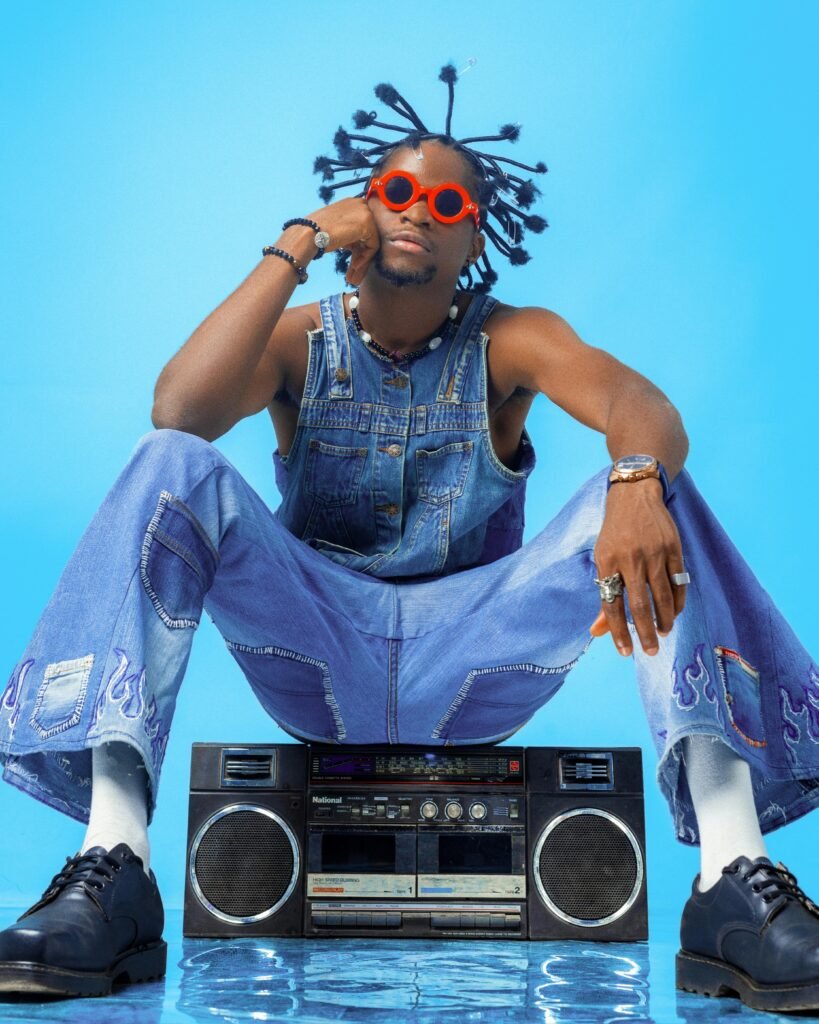
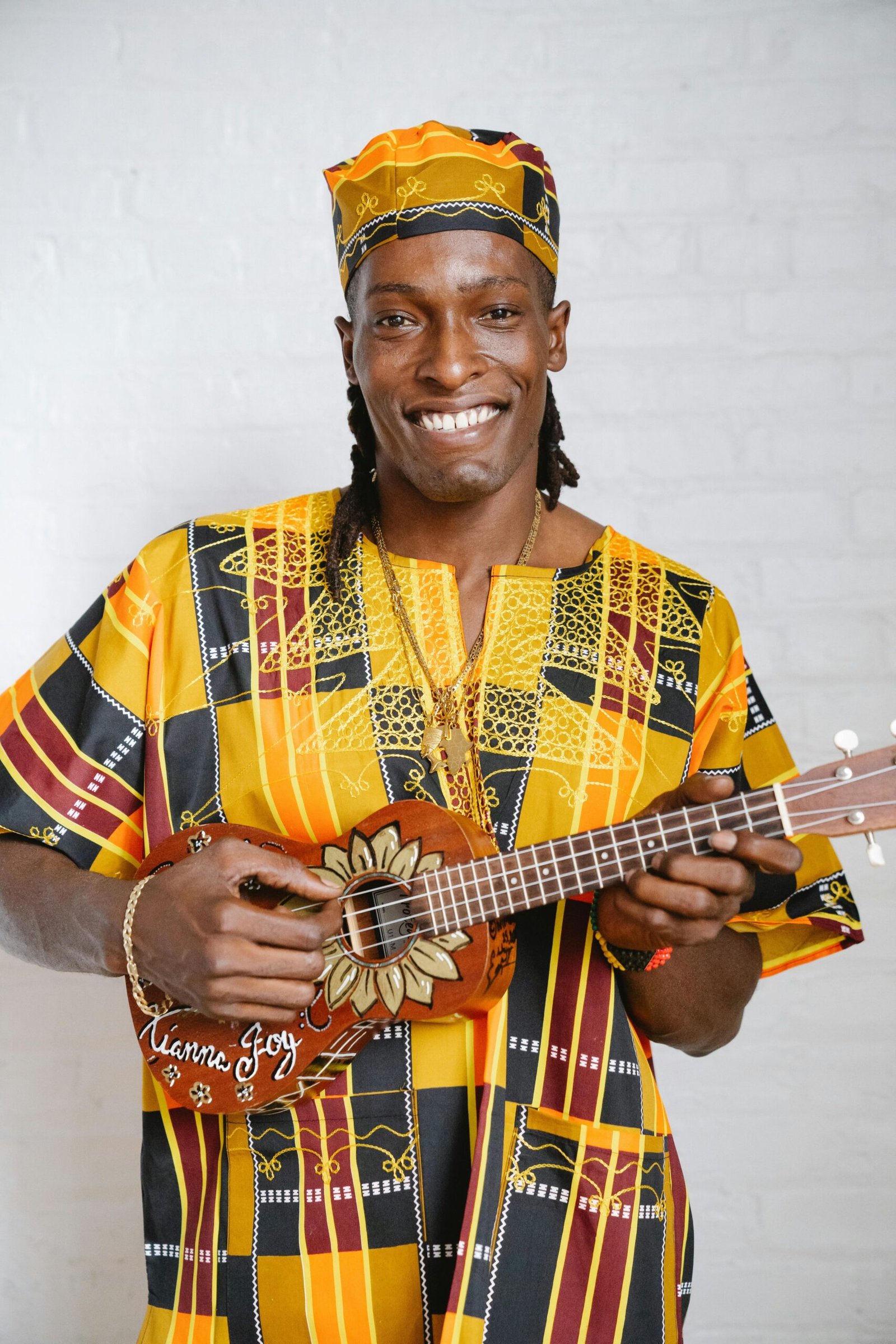
Modern dancehall artists continue pushing the genre into new creative directions while keeping strong ties to Jamaican identity and culture. Digital platforms and streaming services have made it easier for Jamaican music to reach global audiences instantly.
A younger generation of listeners is now discovering dancehall not only as music but as a cultural experience rooted in creativity, resilience, and self-expression.
As dancehall evolves alongside global music trends, its influence continues to grow across industries including fashion, entertainment, media, and digital culture.
“Dancehall music is the voice, the energy, and the rhythm of Jamaican culture influencing the world.”
Jamaica’s Global Cultural Impact
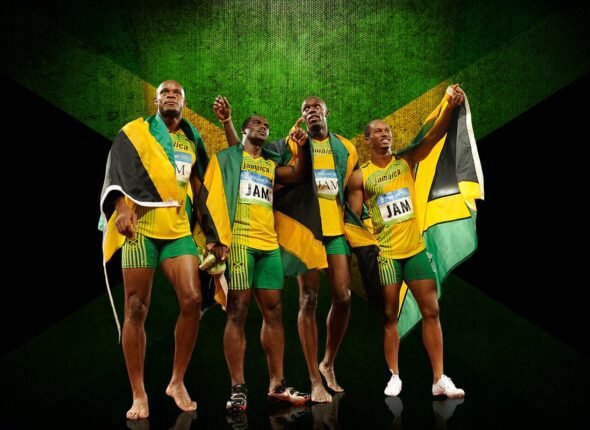
Dancehall’s worldwide success reflects something larger than music alone. It represents Jamaica’s ongoing ability to influence global culture through creativity, storytelling, rhythm, and innovation.
Despite being a small island, Jamaica continues to shape worldwide conversations in music and entertainment at a level far beyond its size.
At Iconic Jamaica Magazine, we celebrate the artists, creators, sound systems, and cultural pioneers helping carry Jamaican culture to audiences around the world.
Because dancehall is more than music.
It is movement.
It is energy.
It is a global influence.
Continue Exploring
Share the Vibes
Facebook
Twitter
WhatsApp